QUICK OVERVIEW
What to take away from the article
- Confirm dimensions, use, content and person responsible for approval prior to production.
- A digital preview does not have to replace a physical sample of material and paint.
- The handover of the installation should include photos, a list of completed work and any unfinished business.
Start with the location and purpose of the ad
The logo for the interior, the facade marking and the graphics on the portable advertising system have different conditions. Before choosing a solution, describe where the ad will be viewed, when it should be readable, and how it will be used. A photograph of a place with its surroundings is often more useful than a detail of an empty wall.
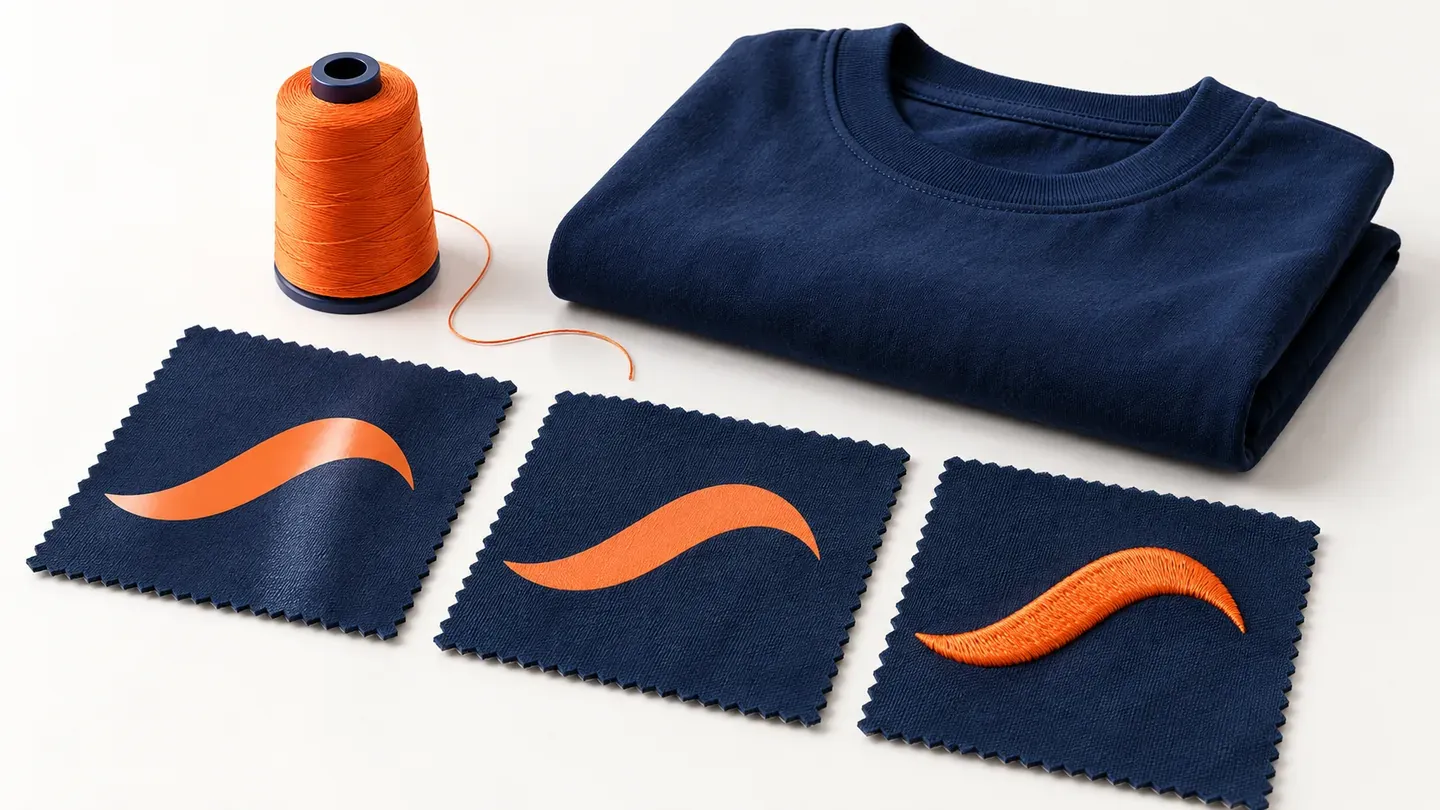
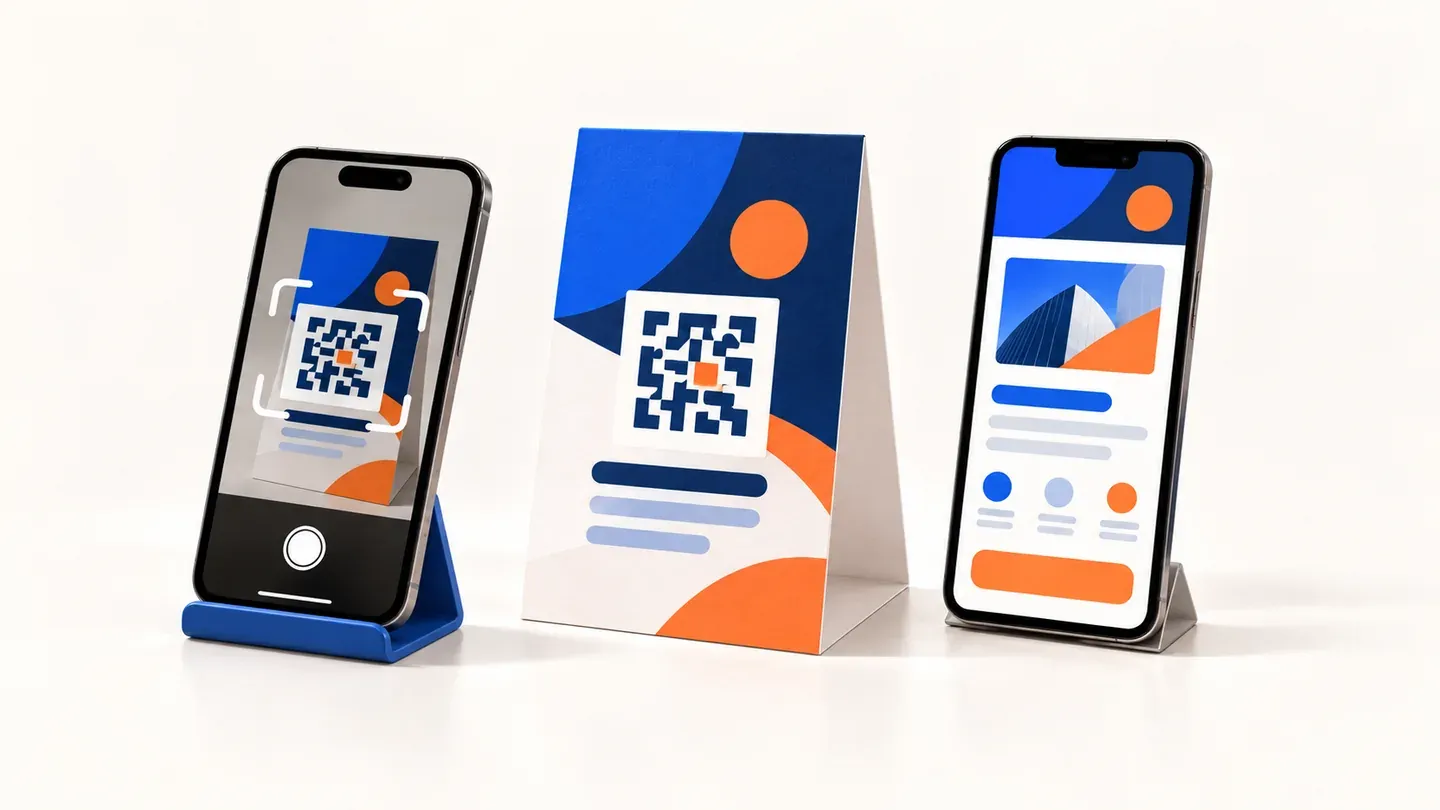
With light advertising, the power supply and access to the installation site must be assessed in time. In the case of the advertising system, on the other hand, the transfer, storage and repeated exchange of graphics. With textiles, the material, use and maintenance method play a role. The suitability of the technology is decided only according to the specific assignment.
One task for the graphic artist, production and assembler
When everyone is working with a different version of the dimensions and text, there is room for rework. Determine one place where the current assignment, agreed preview and agreed date will be. Every change after approval must also be visible to the person commissioning the production.
Vectors, resolution, drop-off or color settings must be agreed with the production according to the product. Do not expect a universal file suitable for all technologies. Send the documents together with information on which elements can be modified and which should remain accurate.
- Final texts including telephone numbers, addresses and diacritics.
- Dimensions, number of pieces and designation of individual variants.
- Logo and graphic materials in the agreed format.
- Place, date and person responsible for collection.
Approve a specific version and scope
The "looks good" endorsement can be ambiguous. Mark the preview with a version and confirm what it approves: text, layout, dimensions or even material. If only the phone number changes, it must still be clear which version is going into production.
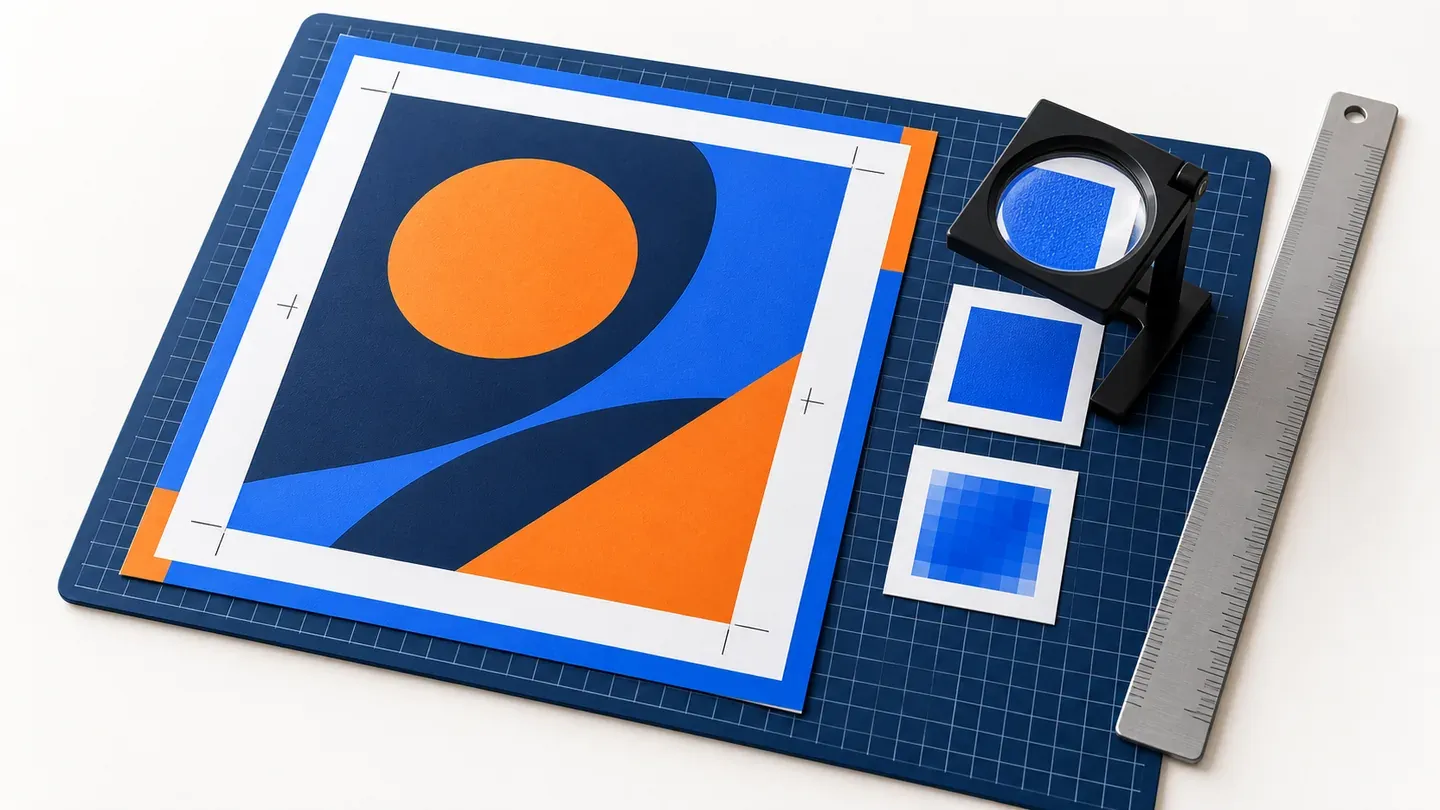
The color on the screen and the result on the material may vary. For sensitive use, arrange for a physical sample or other means of verification. Its scope should correspond to the risk and the number of pieces. A one-off small print needs a different process than a series of corporate clothing or the branding of an entire establishment.
installation requires its own materials
The installer needs a contact person on site, an address, access conditions and an approved installation method. Already in the preparation, agree on who will assess the base and the suitability of the fixing. Unclear conditions can change the scope of work and the deadline.
After installation, the work record should contain photos, work performed and any deviations. If something is left unfinished, record it separately with the next procedure. The "done" status alone may not explain whether the order has been completely handed over.
The result should also be used after submission
Keep the final production data and information about the material used for the advertisement. It will facilitate reordering, repair or replacement of graphics. If the customer needs additional pieces of textile after a year, there is no need to re-estimate the location of the print from the photo.
Reasonable records reduce the number of questions when repeating the order. The goal is for the next person to be able to follow up on the previous work. Linking the order, preview and installation record is therefore useful even for a small team.