QUICK OVERVIEW
What to take away from the article
- The QR code should lead to specific useful information, not automatically to the start of the website.
- Use differentiated links and uniform campaign names for different materials.
- Scanning the code is a reaction to the material. By itself it does not mean an order.
First the reason to continue, then the QR code
Start by asking what the customer needs at the moment. The leaflet may contain a brief offer and a link to specific variants. The label can supplement instructions or product data. An advertising item can remind a person of a service to which he will return later.
The text next to the code should name the result: "View dimensions and variants" is more understandable than "Scan" itself. The menu on the landing page should match what is printed. If the flyer promises a consultation to mark the operation, the visitor should not look for this service through the entire offer of the company.
Measure individual materials with differentiated references
Google Analytics allows you to tag links with campaign parameters such as utm_source, utm_medium and utm_campaign. When visiting, the source of the link can be distinguished in the reports. It is advisable to use the names uniformly.
Our practical suggestion: create a separate target for the trade fair flyer, parcel card and poster in operation. If the materials use the same address without resolution, it becomes more difficult to determine later what caused the reaction. The parameters must not contain the customer's name, e-mail or other personal data. Set the measurement according to the actual deployed tools and consent rules.
Test the entire transition before printing
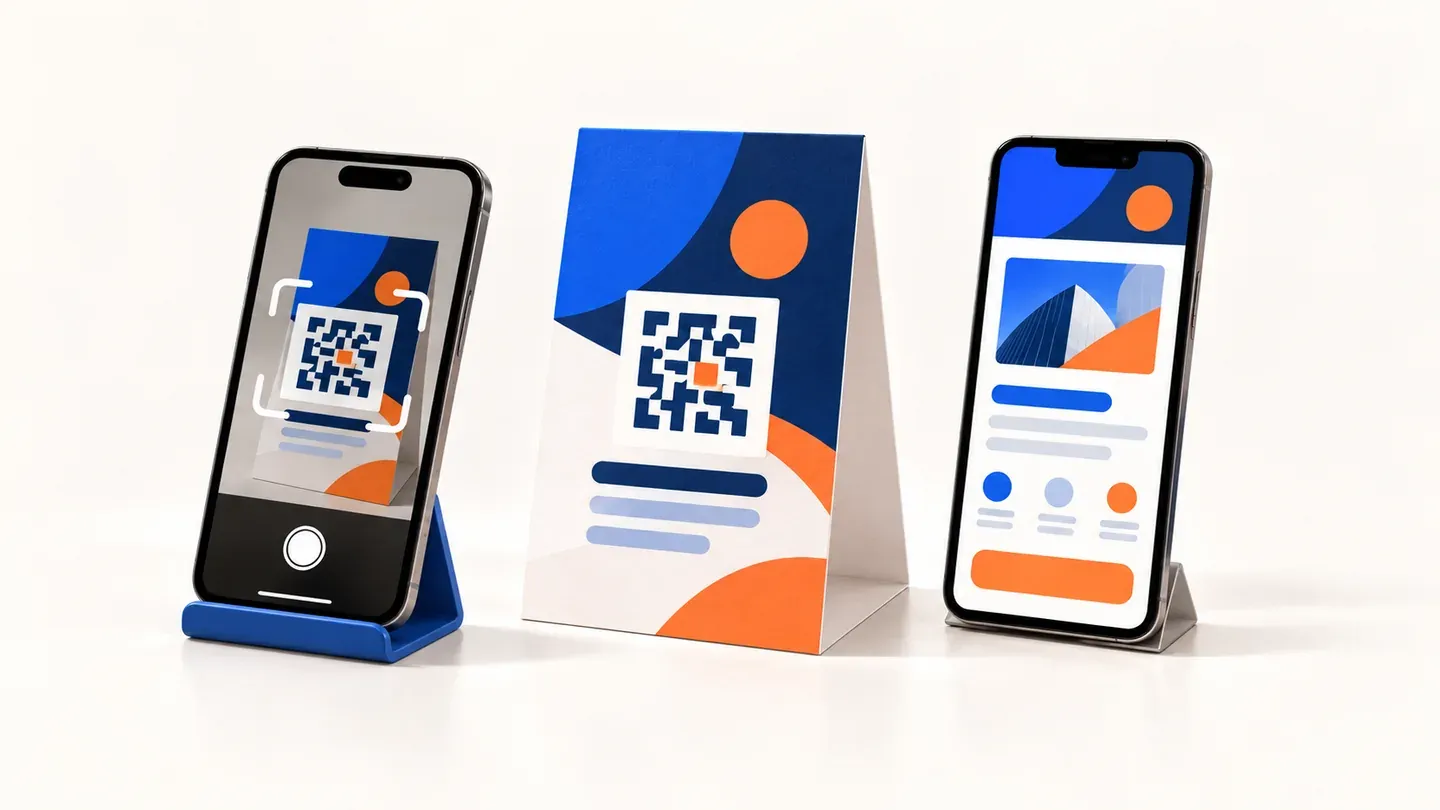
The exam does not begin and end with opening an address on the computer. Print the sample in the intended size, try it on the phone and proceed to the form or order. Check the legibility of the texts and whether the customer understands the next step.
For packaging, stickers or shiny material, also try realistic placement and lighting. Code dimensions, contrast and free space must be assessed by the manufacturer according to the specific application. Before a large load, a verified physical piece is preferable to relying on a preview on a monitor.
- Does the landing page work comfortably on the phone?
- Do the prices, terms and dates correspond to the printed offer?
- Will the link remain functional even after the end of the campaign?
- Does the material also have a legible short address or contact?
From reaction to order there are still more steps
Visits from the flyer say that people continued to the website. Inquiries show the next step, and completed orders show the business result. Therefore, do not label individual numbers with the same word "success".
Model example: a company distributes 1,000 leaflets, records 50 visits, 8 inquiries and 2 orders. These are made-up numbers to explain the process, not the result of Reklamix. It is impossible to claim from them that the campaign was profitable without costs, value of orders and other contexts. Some people may call directly or return later by another route; the QR measurement alone does not capture all the impact.
Design print and web as one job
The entry for the graphic should also include the target page, the meaning of the individual codes and the required next step. At the same time, determine who is responsible for the availability of the link after printing. When the website is changed later, it is easy to forget about the materials in circulation.
Linking offline and online advertising is worth starting with one material. First, verify the intelligibility of the offer and the passage of the enquiry. Then extend the same labeling system to other materials. This creates an overview that can be used in the next campaign.